
Small Business & Sole Proprietorship Appraisals
Owner-operated businesses where the owner and the business are hard to separate.
Three steps. Done remotely, from your records.
- Send the financials and a short descriptionTax returns or financial statements, and what the valuation is for.
- Get a fixed written quoteUsually the same day. Nothing owed until you agree.
- Receive a signed reportTimeline set at engagement, typically 15–65 days, written to IRS and court standards.
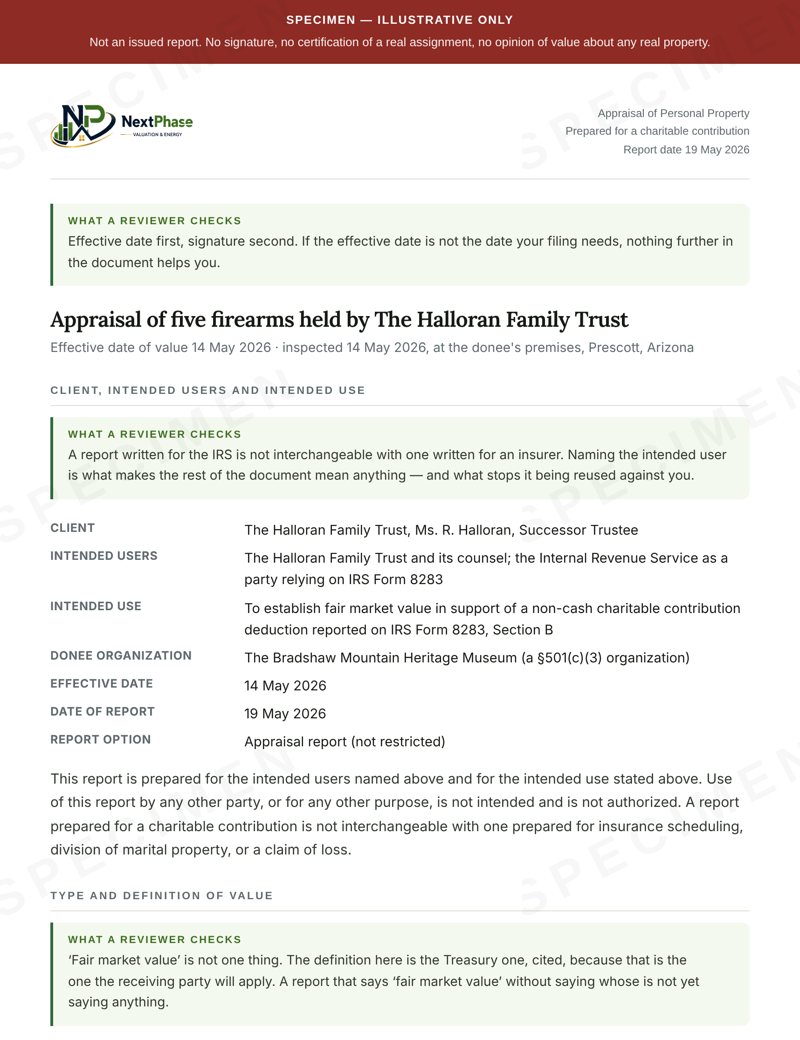 See exactly what you’ll receive →
Done remotely, anywhere in the U.S. No home visit.
What we appraise
- Trades and contracting businesses
- Retail and service operations
- Owner-operated franchises
- Consulting and professional services
- Family-run businesses
- Businesses with material equipment holdings
What to send
- Three to five years of tax returns or financial statements
- Current-year interim financials
- Owner compensation and any personal expenses run through the business
- Equipment and vehicle inventory
- Any lease, loan, or franchise agreements
Where tangible equipment and real property are material to the conclusion, those assets are valued directly rather than accepted at book value.
Fees
| Scope | Typical fee |
|---|---|
| Sole proprietorship / simple | $2,500 – $5,000 |
| Small business, single entity | $5,000 – $9,000 |
| Professional practice | $7,500 – $12,000 |
| Complex / litigation / multi-entity | $12,000 – $20,000+ |
How small business and sole proprietorship appraisals work: the details
What drives the number
The central problem in small business valuation is normalizing owner compensation and personal expenses run through the entity. Until that is done, reported earnings mean very little — and it is the first thing opposing counsel or a buyer’s advisor will test.
Related business valuation assets
Common questions
Can you value a business outside Arizona?
Yes, anywhere in the world. Business valuation generally does not require a state appraiser license, and the work is driven by financial records rather than a site visit. Be prepared to provide substantial documentation — the quality of the records largely determines the quality of the conclusion.
What will you need from us?
Three to five years of financials or returns, current interim statements, the governing agreements, and detail on owner compensation and non-operating assets. Incomplete records do not stop an engagement, but they narrow what the report can credibly conclude, and the report will say so.
How long does it take?
Typically three to six weeks from the point all financial records are in hand. Litigation matters with a firm court date are scheduled around that date.
Do you apply discounts for lack of control or marketability?
Where the assignment and the interest being valued support them, yes — and the report documents the basis for each. Unsupported discounts are the fastest way to lose a valuation in court.
Plain answers before you order
 Valuing a small business in a divorce
Ready for a number you can defend?
Tell us what you have and what it’s for. You get a fixed written quote — never an hourly meter, never a sales call.